| |
| How Biometric Login Systems Handle Real-World User Challenges |
| |
|
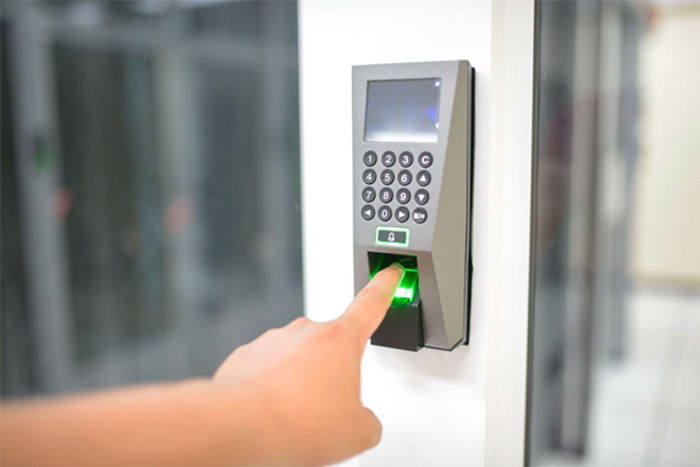
Photo by panumas nikhomkhai
|
| |
|
As businesses continue to strengthen security while improving customer and employee experiences, biometric login systems have become an increasingly popular solution. Unlike traditional passwords, biometrics rely on unique physical or behavioral characteristics, making authentication faster and more secure.
However, real-world conditions are not always ideal. Employees work in different environments, customers use different devices, and physical changes can affect authentication. The success of a biometric login system depends on how well it handles these everyday challenges while maintaining security and convenience.
Here are some of the most common user challenges businesses face and how modern biometric login systems address them.
|
| |
|
One of the most common concerns about biometric authentication is whether it can recognize users when their appearance changes.
People regularly:
- Change hairstyles
- Grow or shave facial hair
- Wear glasses
- Gain or lose weight
- Age naturally over time
Modern facial recognition systems focus on facial structure rather than temporary appearance changes. They analyze facial landmarks and geometric patterns that remain relatively stable.
As a result, users can continue accessing systems without repeatedly updating their biometric information. This improves convenience while maintaining strong security.
Business benefit: Fewer login failures create a better user experience and reduce support requests.
|
| |
|
Employees and customers do not always access systems under ideal conditions. Warehouses, outdoor work sites, retail stores, and remote work environments often present lighting challenges.
Modern biometric login systems address this issue through:
- Infrared imaging
- Depth-sensing technology
- Automatic lighting adjustments
- AI-powered image enhancement
These technologies allow facial recognition systems to work effectively in both bright and low-light environments.
For example, a field technician accessing company systems from a construction site can still authenticate securely without needing perfect lighting.
Business benefit: Reliable authentication across different environments improves productivity and minimizes user frustration.
|
| |
|
Many organizations worry that someone could trick a biometric system using a photo, video, or recorded voice.
Modern biometric platforms include advanced protections such as:
- Liveness detection
- Facial movement analysis
- Depth verification
- Voice authenticity checks
- Behavioral monitoring
These features help confirm that a real person is present during authentication.
For example, if an attacker attempts to use a photograph to bypass facial recognition, the system can detect the absence of natural facial movements and reject the login attempt.
Business benefit: Stronger fraud prevention helps protect customer information, company assets, and sensitive business data.
|
| |
|
Real-world users occasionally experience situations that can affect biometric authentication.
Examples include:
- Finger cuts or burns
- Facial swelling
- Eye irritation
- Temporary voice changes due to illness
Some users may also deal with conditions that affect hand-based authentication methods. Individuals who experience excessive palm sweating may have difficulty using fingerprint scanners consistently. In these situations, learning more about managing persistent palm moisture and understanding the causes of excessively sweaty hands can help users identify practical solutions while organizations provide alternative authentication methods.
To address these challenges, many businesses use multimodal authentication. Users can verify their identity through multiple options such as:
- Facial recognition
- Fingerprint scanning
- Voice authentication
- Behavioral biometrics
If one method is temporarily unavailable, another can be used without disrupting access.
Business benefit: Greater flexibility reduces downtime and supports business continuity.
|
| |
|
Remote and hybrid work have changed how organizations approach security.
Employees now access company systems from:
- Home offices
- Airports
- Hotels
- Client locations
- Shared workspaces
Traditional password-based security often struggles to verify identity in these distributed environments.
Biometric login systems help organizations confirm that the person requesting access is the authorized user, regardless of location.
When combined with device verification and risk-based security controls, biometrics create a stronger foundation for remote access security.
Business benefit: Improved protection for remote workers without creating unnecessary login complexity.
|
| |
|
Many businesses face a difficult challenge: increasing security without making systems harder to use.
Complicated login procedures often lead to:
- Forgotten passwords
- Frequent reset requests
- Credential sharing
- Reduced productivity
Biometric authentication simplifies the login process by allowing users to verify their identity in seconds.
This creates a positive chain of events:
- Easier access encourages compliance.
- Better compliance improves security.
- Stronger security builds trust.
For example, employees who can quickly access applications using facial recognition are less likely to create insecure workarounds.
Business benefit: Better security and improved user satisfaction at the same time.
|
| |
|
Some organizations hesitate to adopt biometrics because of privacy concerns.
Modern biometric systems address these concerns through secure data handling practices.
Most platforms:
- Convert biometric data into encrypted templates
- Avoid storing actual fingerprint or facial images
- Use strong encryption standards
- Restrict access to stored information
Many solutions also perform authentication directly on user devices, reducing exposure of sensitive data.
Business benefit: Strong privacy protections help organizations meet compliance requirements while strengthening customer confidence.
|
| |
|
Authentication is no longer limited to a single login event.
Many modern systems continuously monitor user behavior throughout a session by analyzing:
- Typing patterns
- Device interactions
- Movement behavior
- Session activity
If unusual activity is detected, additional verification may be required.
For example, if a logged-in account suddenly begins behaving differently than normal, the system can trigger a security check before sensitive actions are allowed.
Business benefit: Ongoing protection reduces the risk of unauthorized access after login.
|
| |
|
Security is not just an IT concern. It also influences customer confidence and brand reputation.
Customers expect organizations to protect their accounts, personal information, and transactions. Security incidents can damage trust and affect long-term growth.
Biometric login systems help demonstrate a commitment to protecting user identities while providing a smoother experience than traditional passwords.
When customers feel secure, they are more likely to engage with digital services, complete transactions, and remain loyal to a brand.
Business benefit: Strong security supports customer retention, positive user experiences, and sustainable business growth.
|
| |
|
As cyber threats continue to evolve, organizations need authentication systems that can adapt to changing risks and user expectations.
Modern biometric platforms are becoming smarter through advances in:
- Artificial intelligence
- Behavioral analysis
- Continuous authentication
- Risk-based access controls
These technologies help businesses strengthen security while maintaining a simple and efficient user experience.
Organizations that invest in flexible biometric solutions today are better positioned to handle future security challenges without creating barriers for employees or customers.
|
| |
|
Biometric login systems solve many of the challenges associated with traditional passwords. From changing appearances and poor lighting conditions to fraud prevention and remote workforce security, modern biometric technologies are designed to handle real-world situations while maintaining strong protection.
The most successful implementations balance security, convenience, privacy, and flexibility. Businesses that take this approach can reduce risk, improve operational efficiency, strengthen customer trust, and support long-term growth.
While no authentication method is perfect, biometric login systems offer a practical and effective solution for organizations looking to improve security while delivering a smoother experience for both employees and customers.
|
| |
|
|
|
|